Four UK Websites: Real 28-Day Search Console Data (2026)
Four dated UK website Search Console snapshots, with actual clicks, impressions, CTR calculations and the limitations of comparing rankings and leads.
What does organic search performance look like on four actual UK business websites? This short research note puts four published 28-day Google Search Console snapshots into a single table, calculates click-through rates and explains precisely what those numbers can—and cannot—tell a business owner choosing an SEO service.
The four reporting periods fall between 18 August and 22 September 2026. The figures were published by SmartyX in its client search-evidence displays. They are historical observations of individual websites, not a representative UK industry survey, independent audit, current ranking report or promise of future results.
Four real Search Console snapshots: the numbers
| Website | Reporting period | Search clicks | Impressions | Calculated CTR | Average position* |
|---|---|---|---|---|---|
| Kinmel Campers | 26 Aug–22 Sep 2026 | 2,820 | 69,800 | 4.04% | 8.8 |
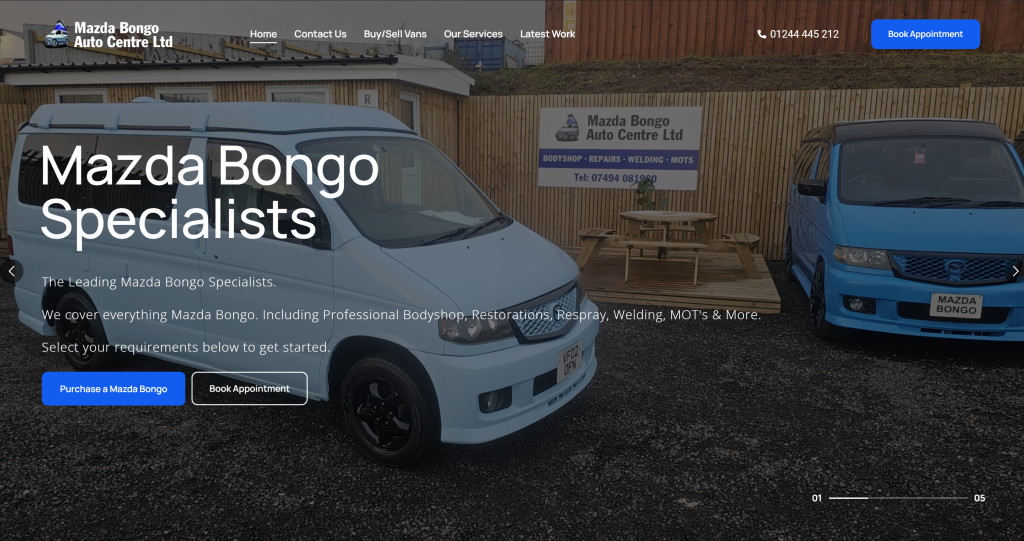
| Mazda Bongo Auto Centre | 18 Aug–14 Sep 2026 | 1,623 | 47,970 | 3.38% | 8.06 |
| Painting Campers | 18 Aug–14 Sep 2026 | 203 | 5,252 | 3.87% | 8.20 |
| Pop Top Nation | 18 Aug–14 Sep 2026 | 140 | 5,874 | 2.38% | 19.99 |
Across those four separate website-period observations, the displayed totals are 4,786 organic clicks and 128,896 search impressions. Dividing the combined clicks by combined impressions gives a 3.71% pooled click-through rate. This calculation describes these four selected observations only. Do not quote it as the average CTR for UK businesses or as the CTR a new client should expect.
Where the original figures came from
The source figures are the historical client evidence displayed on SmartyX’s SEO services and SEO packages pages. The website names, period labels, click counts, impression counts and average-position values have been transcribed from those published displays. Where available, the project links in the table provide more context about the website work. Pop Top Nation links to the client website rather than a detailed public case study.
The underlying Google Search Console properties are not publicly downloadable from this article, so these figures should be described as SmartyX-reported client Search Console snapshots, not as independently verified industry research. They should not be used to imply that a specific intervention caused all the clicks or impressions.
What the comparisons actually reveal
1. Impressions are opportunities to be seen, not visitors
Kinmel Campers recorded 69,800 impressions and 2,820 clicks in its displayed period. A search impression records an eligible appearance in results, not one unique person looking at a page. A click indicates a Google Search result was clicked, but it says nothing by itself about whether that visitor requested a quotation.
For a business owner, the commercially important questions are which queries generate those impressions, which landing pages receive the clicks and whether visitors take meaningful actions afterwards.
2. Similar average positions can produce very different totals
Kinmel Campers, Mazda Bongo Auto Centre and Painting Campers each have a reported average position around 8, yet their site-wide search volumes differ substantially. That is not a contradiction: they appear for different queries, across different demand levels and potentially with different seasonal and brand-search contributions.
Comparing position alone is therefore not a reliable way to judge whether one SEO programme is better than another. Position is also averaged across a mix of terms, result types and contexts. A site-wide number does not prove a particular service keyword ranks eighth.
3. Click-through rate needs search-intent context
The calculated CTRs in this selected sample range from 2.38% to 4.04%. That range does not establish a healthy or unhealthy benchmark. Branded queries, competitors’ adverts, rich results, devices, location, titles and snippets can change how often a visible result is clicked.
If an important page gains thousands of impressions but very few clicks, investigate the actual queries and their intent before rewriting titles. A page receiving mainly informational queries may need a different answer to a page receiving local “book now” searches.
4. SEO traffic and paid customers are separate measurements
None of these four snapshot rows reports calls, qualified enquiries, accepted quotations, deposits or revenue. We cannot infer any of those outcomes from the counts above. Useful SEO reporting should keep them separate and, where consent and measurement allow, connect high-value landing pages to enquiries through form and event tracking.
How to compare SEO performance on your own website
- Set the same date window. Compare like-for-like periods before claiming growth, allowing for seasonality.
- Segment branded and non-branded searches. An increase in people searching for the company name is different from growth for commercial service queries.
- Inspect page and query together. Identify the exact landing pages earning visibility and the searches they answer.
- Check indexation and usability. Make sure valuable pages can be crawled and serve useful content, particularly on mobile.
- Measure business actions independently. Record qualified leads and paid work rather than equating clicks with revenue.
- Log what changed. Document content, architecture, internal linking or technical changes so you can review them against subsequent periods without claiming causation too early.
For the definitions of the metrics and how search data is calculated, refer to Google’s Search Console Performance report documentation.
Methodology and important limitations
Sample: four named websites for which SmartyX published a 28-day client search snapshot. This is a convenience selection of available case examples; it is not randomly sampled and is not designed to represent all UK websites or all SmartyX customers.
Time: three sites cover 18 August–14 September 2026; Kinmel Campers covers 26 August–22 September 2026. The observation windows differ, so their totals are not a single synchronised market-period total.
Metrics: the displayed clicks, impressions and average positions were transcribed from the original SmartyX evidence sections. CTR is calculated as clicks ÷ impressions × 100, rounded to two decimal places. The pooled CTR divides the sum of displayed clicks by the sum of displayed impressions; it is not an average of the four CTR percentages.
Exclusions: no statements are made about the searches’ country/device composition, conversions, revenue, competitors, keyword rankings or causal uplift. The original sources do not provide a uniform export for those extra dimensions in this article.
Data date: snapshots from August–September 2026, compiled into this explanatory note in October 2026. A future Search Console update may differ. This page is not a live dashboard.
Questions people ask about Search Console results
Can I expect a 3.71% click-through rate from SEO?
No. That is the pooled CTR in these four selected, differently dated observations. A specific business will have its own mix of searches, competition and search-result presentation.
Does a strong average position prove a website ranks on page one for “SEO packages”?
No. Site-wide average position cannot establish any specific keyword rank. To assess a term such as “SEO packages”, filter a verified Search Console report by that query, review the landing page, country, device and selected reporting window, and corroborate with actual search results where useful.
Are all these search clicks new customers?
No. Search clicks are not transactions or qualified leads. The same person may click more than once, and many visits are research rather than buying decisions.
Can these figures be referenced in an article?
Yes, with accurate context. State that they are SmartyX-published 28-day client Search Console snapshots from August–September 2026, include the individual date ranges and link to this explanatory page so readers can see the limitations and the source project links. Please do not relabel them as UK-wide industry averages or confirmed customer sales.
What SEO work should a business actually buy?
These observations illustrate why SEO should start with the business’s own search demand and important service pages rather than a promise of a fixed keyword quota. For companies considering professional support, SmartyX publishes monthly SEO package pricing and scope, a buyer’s guide to SEO package deliverables and real client projects.
For a practical first assessment of your own site, request a website and search review. We can explain which pages and technical issues are worth addressing before recommending a budget.